Our Services
Why Comprehensive Eye Exams Matter
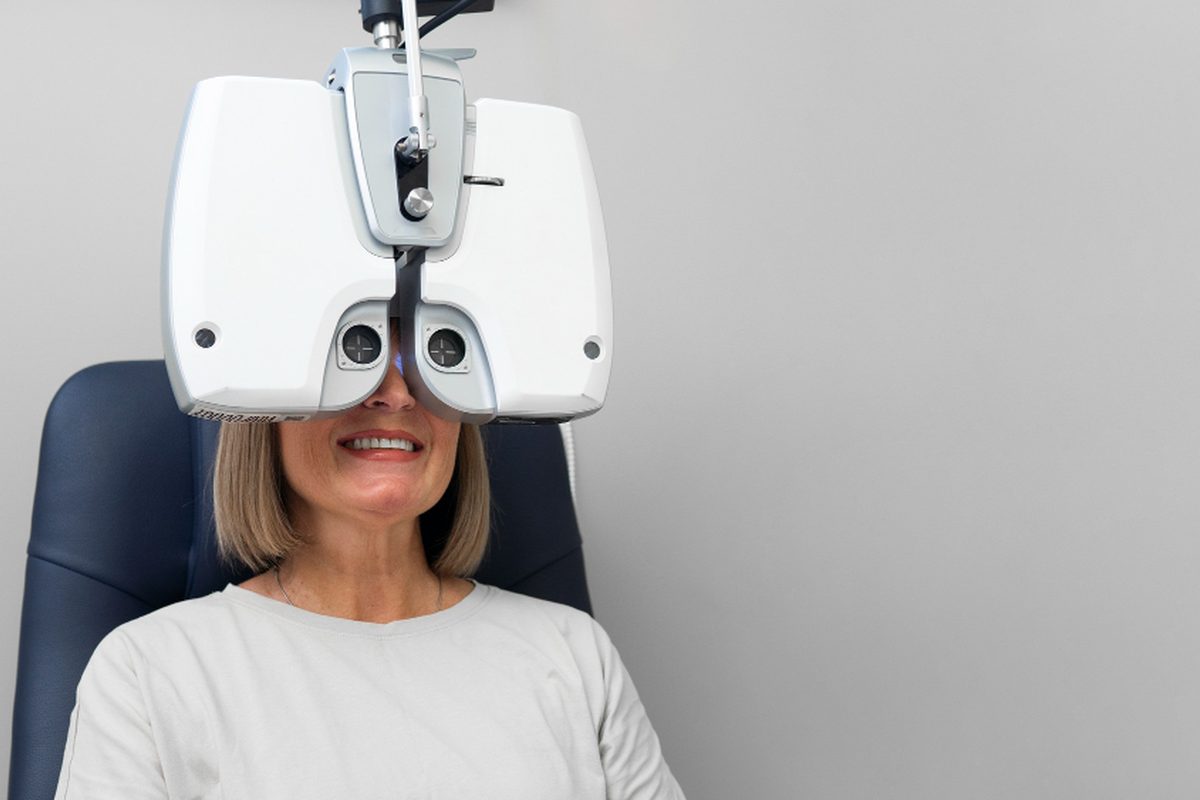
At Mercer Eye Associates, we believe regular comprehensive eye exams are vital for your long-term vision health. Many serious eye conditions develop without noticeable symptoms, making early detection through routine exams crucial for effective treatment and preventing irreversible damage.
Eye Health
Frequently Asked Questions About Eye Health
Understanding your eye health is important. Here are answers to some common questions our patients have, covering topics from the importance of eye exams to specific eye conditions and their treatments.
My eyes do not hurt and my vision is clear. Why should I have an eye exam?
Regular eye exams are an invaluable tool in maintaining your eyes’ health by detecting and preventing disease. Some diseases, such as glaucoma, develop gradually without causing pain or vision loss, so visual symptoms may not develop until significant and irreversible damage has been done. Early detection is key.
What is glaucoma? Am I at risk?
Glaucoma is a group of eye conditions that damage the optic nerve, often caused by abnormally high pressure inside the eye. Risk factors include age, family history, certain medical conditions, and ethnicity. Regular exams help detect it early.
What are the symptoms of macular degeneration?
Symptoms of macular degeneration include blurred central vision, distorted vision, or a dark or empty area in the center of vision. It usually affects older adults and can be detected during a comprehensive eye exam.
What is a cataract? Who is at risk for developing them?
A cataract is a clouding of the natural lens inside the eye, leading to blurred vision. Most cataracts are age-related, but other risk factors include diabetes, eye injury, certain medications, and prolonged exposure to sunlight.
How are cataracts treated?
Cataracts are primarily treated with surgery, where the cloudy lens is removed and replaced with a clear artificial lens. This is a very common and effective procedure.
What is diabetic retinopathy and how is it treated?
Diabetic retinopathy is a complication of diabetes that damages the blood vessels in the retina. Treatment options include laser surgery, injections of medication into the eye, and vitrectomy, depending on the severity.
Can diabetic retinopathy be prevented?
Managing your diabetes well through diet, exercise, and medication can significantly reduce your risk of developing or worsening diabetic retinopathy. Regular dilated eye exams are also crucial for early detection and management.
What are the symptoms of dry eye and how is it treated?
Symptoms of dry eye include stinging, burning, gritty sensation, redness, and watery eyes. Treatments range from artificial tears and lifestyle adjustments to prescription medications and in-office procedures.
Prioritize Your Eye Health Today
Do not wait for symptoms to appear. Schedule your comprehensive eye exam at Mercer Eye Associates in Lawrenceville, New Jersey, to protect your vision and detect potential issues early. We are here to help you see clearly for years to come.