Our Services
Cataract Surgery
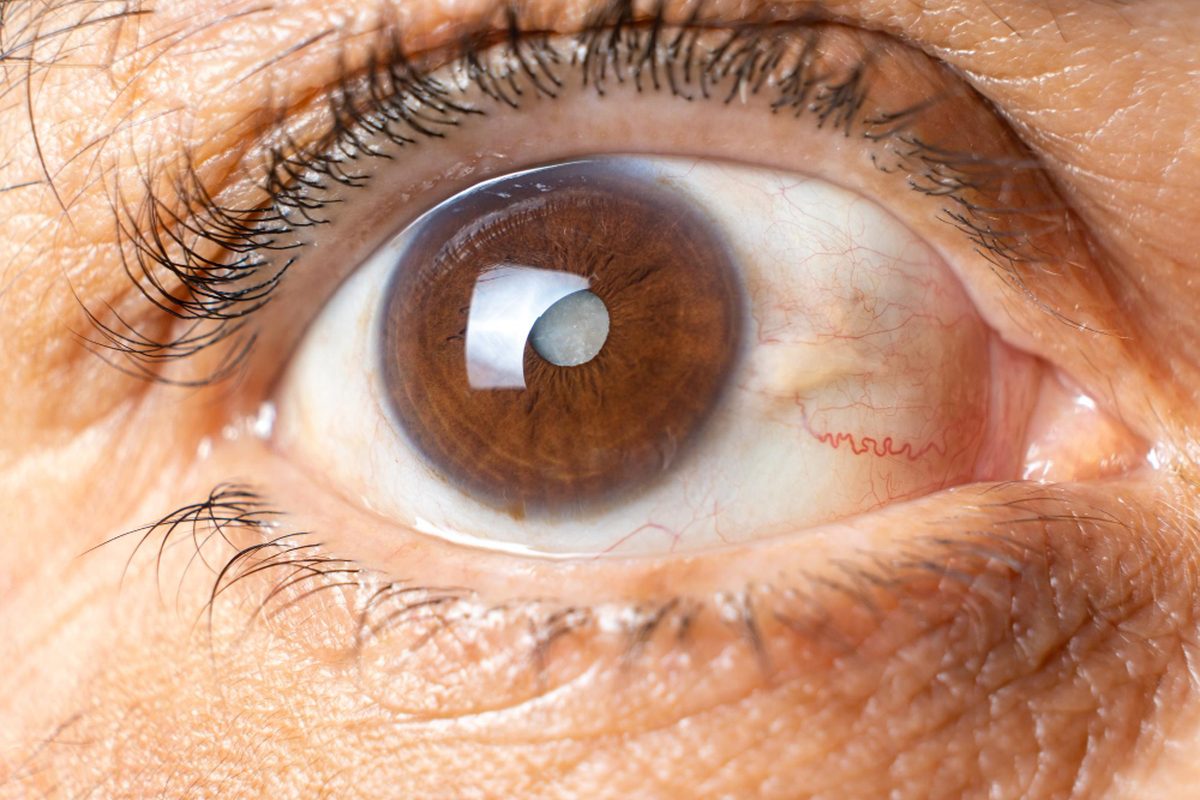
A cataract is diagnosed when your natural lens, which focuses light, becomes cloudy. There is usually no pain associated with this condition, but common symptoms include blurred vision, increased glare, or a “film” sensation over the eye. Cataract surgery removes your cloudy lens and replaces it with a clear artificial lens called an intraocular lens (IOL).
Small-Incision, No-Stitch Surgery
We perform a minimally invasive, small-incision, no-stitch cataract surgery called phacoemulsification (“phaco”) surgery. First, the eye is numbed with anesthetic eyedrops. Then a tiny incision is made in the eye to make room for a small ultrasonic probe. This probe breaks up, or emulsifies, the cloudy lens into tiny pieces. The pieces are then suctioned out through the probe.
After the cloudy lens has been removed, a new artificial lens, or IOL, is implanted in the eye. With the recent advance of foldable IOLs, artificial lenses can be implanted through the same small incision from the phaco procedure. Because the incision is so small, it is self-sealing and no stitches are required.

Lens Replacement Surgery Featuring Multifocal and Accommodating IOLs
Artificial lenses (IOLs) are implanted in the eye to replace natural lenses for patients with cataracts, presbyopia or severe refractive errors. Until recently, IOLs were only available to correct distance vision. These monofocal lenses helped improve distance vision after cataract surgery, but patients still needed glasses or contact lenses for near vision activities like reading and playing cards.
Now, advancements in technology have produced multifocal IOLs that preserve distance vision and correct presbyopia so cataract surgery patients can enjoy clear sight without relying on glasses. Accommodating IOLs provide excellent distance and intermediate vision with reduced dependency on glasses for near focus.
The procedure to replace a patient’s natural lens with a multifocal IOL or accommodating IOL is the same as that used in cataract surgery.
Lens Options
Choosing the Right Lens Implant for Your Cataract Surgery
Standard Monofocal Lens
Covered by health insurance plans
A type of intraocular lens (IOL) that has a fixed focal point, providing clear vision at one distance only. This option, while providing clear vision at one distance, may require glasses or contacts for other distances.
Toric Lens
Not covered by health insurance plans
This lens is suggested for those with significant corneal astigmatism. Toric lenses address this aspect of the refractive error at a distance causing blurred or distorted vision. Patients will require glasses for near vision.
Multifocal Lens
Not covered by health insurance plans
This lens is a popular choice for patients who would like to reduce their dependence on glasses. A multifocal lens can provide clear vision at various distances such as near and distance. Their mechanism of action is different. A multifocal lens splits light coming into the eye between far and near vision, allowing the patient to typically read at a normal range without glasses. Patients can experience some glare symptoms, especially with night driving. These symptoms are usually tolerated and get better over time as the brain adapts.
Extended Depth of Focus Lens (EDOF)
Not covered by health insurance plans
This lens is a good choice for patients who would like to reduce their dependence on glasses without the glare and halo of the multifocal lens. The EDOF lens provides clear distance (driving, TV) and intermediate (computer work, cooking, car dashboard) vision without glasses, by way of a continuous, stretched focal point. For near work, such as fine print, reading books or dim light settings, a lower power reading glass will be required.
Talk to Us About Cataract Surgery
To schedule an appointment with Mercer Eye Associates in Lawrenceville, call the office or request an appointment online.